
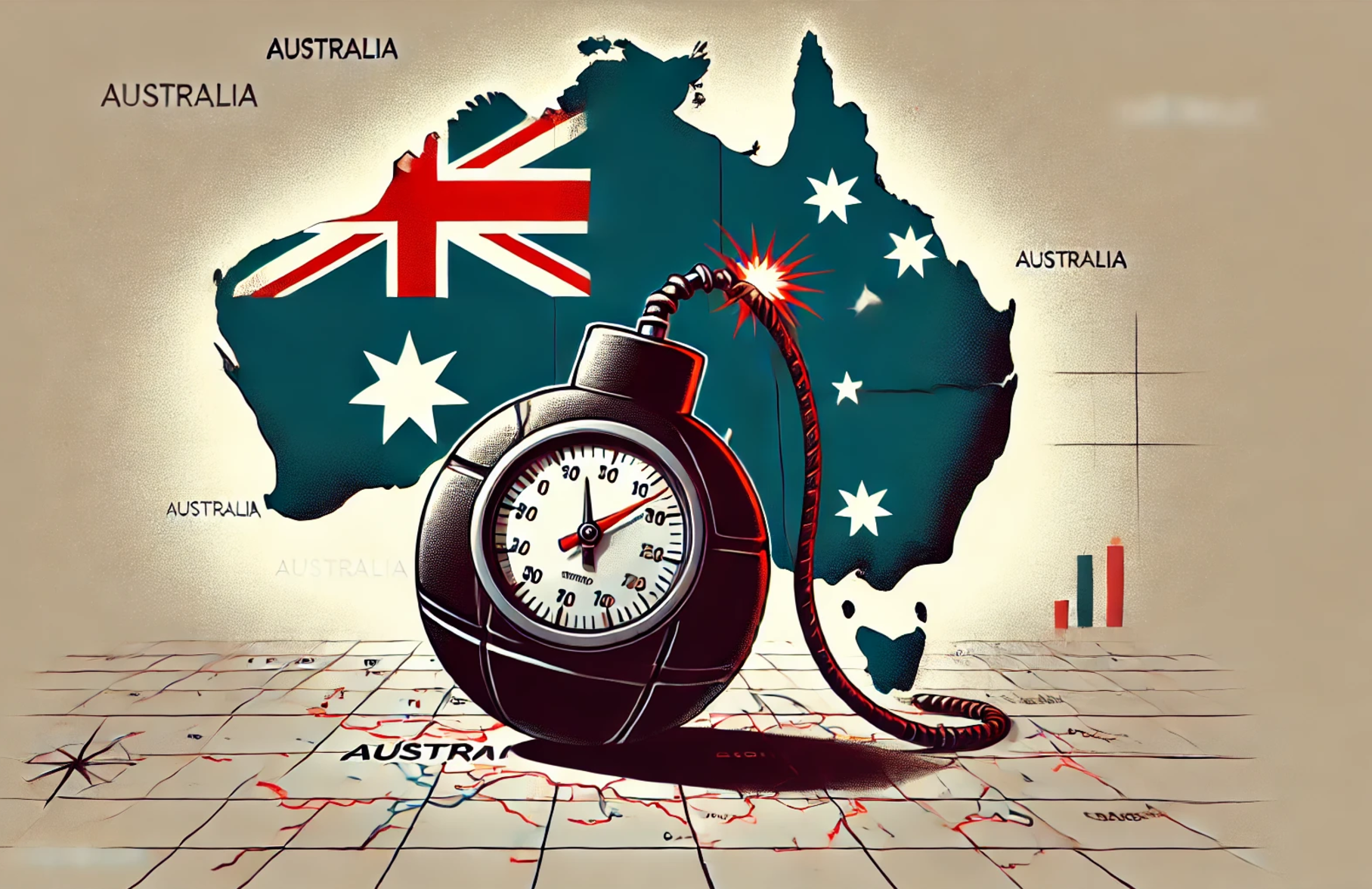
Australia’s Infrastructure Crisis: A Ticking Time Bomb for Taxpayers
In a country priding itself on stability and prosperity, Australia’s approach to infrastructure spending has all the hallmarks of a government playing Russian roulette with the future. Decades of underinvestment, political optics over substance, and a backlog of overdue maintenance have left the nation teetering on the edge of a crisis. It’s as though Australia’s leaders are auditioning for a reality show called “Reactive Governance: When Avoidable Disasters Strike.”
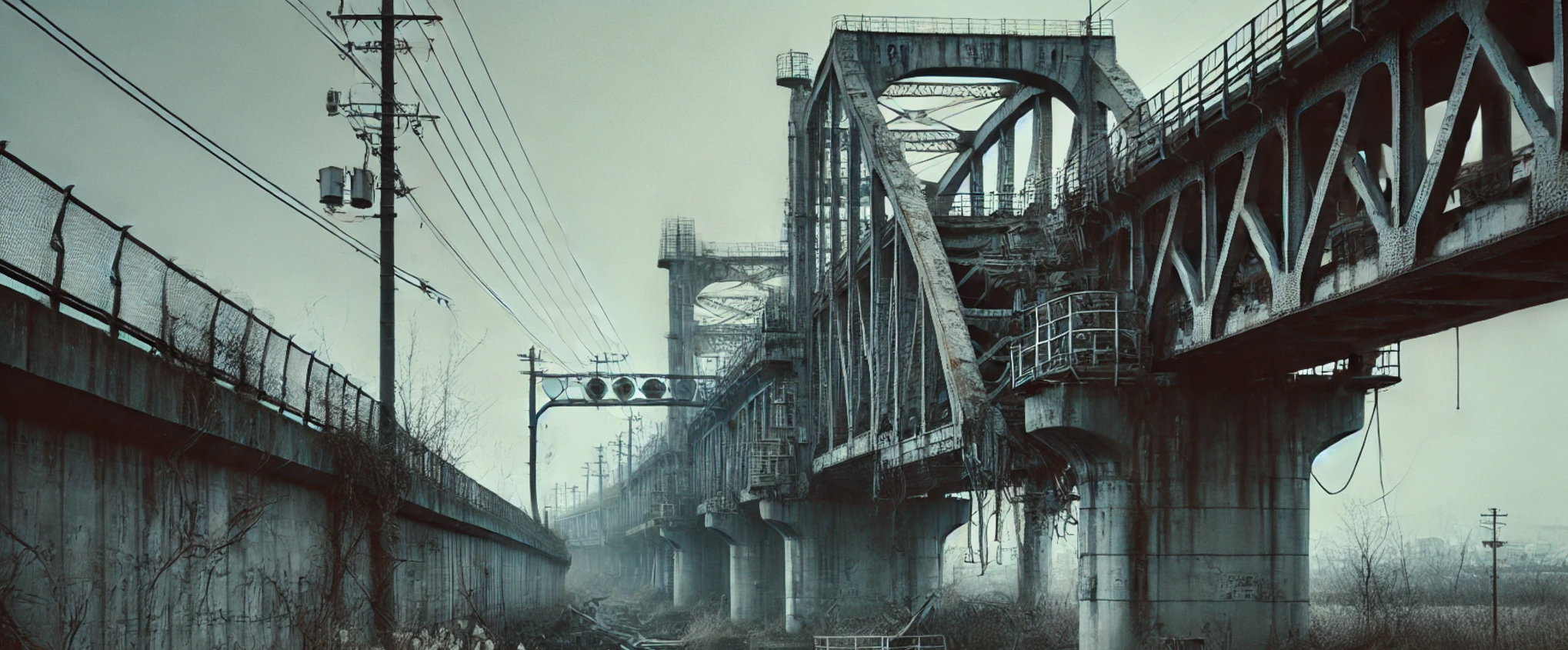
And the script? Aging roads, crumbling bridges, and a public that will eventually foot the bill for avoidable failures—all because politicians are obsessed with ribbon-cutting ceremonies and projects that score points in the short term.
Reactive Governance: The Hallmark of Political Short-Sightedness
For years, Australia has lingered behind global leaders in infrastructure investment as a share of GDP. While countries like Germany and Singapore allocate 3-5% of GDP annually to maintain and upgrade critical infrastructure, Australia has fluctuated between 1.5% and 2.2% over the past decade. That might sound respectable until you factor in the nation’s aging roads, bridges, and rail networks that desperately require not just patchwork repairs but comprehensive overhauls.
The government touts its $120 billion infrastructure pipeline over the next decade as a shining achievement. But let’s not kid ourselves—this isn’t visionary planning; it’s playing catch-up. Years of neglect have led to a massive backlog in road maintenance and construction delays. Politicians are quick to announce shiny new projects but leave the unsexy, long-term repairs and upgrades to someone else. Why? Because there’s no applause in Parliament for patching a pothole.
The Politician’s Dilemma: Optics Over Outcomes
Infrastructure projects, particularly those that span multiple election cycles, rarely fit the narrative of modern politics. Politicians crave immediate wins, moments they can immortalize in glossy campaign ads. Completing a highway extension that started 15 years ago doesn’t give them the glory they desire. They prefer flashy new projects with construction timelines that conveniently align with their four-year terms.
So, long-term needs—like strengthening regional roads or modernizing the rail freight network—take a back seat. These projects don’t end with a ribbon-cutting or handshake photo op. Instead, they leave a messier legacy: one that requires commitment, patience, and passing the baton to the next government. But who cares about the baton when voters demand instant gratification?
The Cost of Delay: Taxpayers Will Pay—Big Time
Here’s the kicker: every year the government delays addressing infrastructure gaps, taxpayers bleed more. Reactive repairs cost 5-10 times more than preventive maintenance. When roads crumble or bridges collapse, emergency fixes come with a hefty price tag—and that’s before factoring in the economic impact of disrupted transport networks.
And let’s talk safety. Infrastructure failures aren’t just expensive; they’re deadly. Collapsing bridges, washed-out roads, and broken railways aren’t hypothetical risks—they’re inevitabilities in a system pushed beyond its limits. When disaster strikes, the public will wonder why these issues weren’t fixed earlier, and the answer will be painfully simple: politicians cared more about optics than outcomes.
Infrastructure Isn’t Sexy—But It’s Essential
Let’s be blunt: no one cheers for asphalt or rebar. Roads don’t hold gala events, and bridges don’t cut checks to political campaigns. But infrastructure is the backbone of a functioning society. Without it, goods don’t move, commuters don’t arrive, and Australia’s economy stalls. The longer these issues remain unaddressed, the more Australia risks falling into the trap of reactive governance—a cycle where preventable disasters dominate headlines, and taxpayers foot the bill for poor planning.
Politicians must stop pandering to short-term optics and start prioritizing what matters. That means committing to projects that span decades, even if the glory goes to someone else. It means making tough, politically inconvenient decisions—like addressing the billions in deferred road maintenance. And it means remembering that governance isn’t about winning the next election; it’s about ensuring Australia thrives for generations to come.

A Call to Action: Stop Kicking the Can Down the Road
The solution is as simple as it is unpalatable for politicians: spend more and spend smarter. Raise infrastructure spending to at least 3% of GDP, as global leaders do. Dedicate funds to ongoing maintenance and repair, rather than relying on ribbon-cutting projects to win votes. And above all, make long-term infrastructure planning a bipartisan commitment.
Because if Australia doesn’t act now, the consequences will be unavoidable—and far more costly. The next time a bridge collapses or a major roadway shuts down due to negligence, remember this moment. Remember the headlines that will write themselves: “Could This Have Been Prevented?” Yes, it could. But only if politicians stop prioritizing their legacy over Australia’s future.
So let’s drop the charade. It’s time for Australia to grow up and start building—not just for today, but for the decades ahead. It might not make for flashy headlines, but it will ensure the country remains safe, competitive, and prosperous. And isn’t that the real legacy worth leaving?
 marksdeepthoughts.ca
Leave a comment