
In the global conversation about climate change, nations are ranked by their carbon emissions, often overlooking the vast natural sinks they harbour. Canada, with its expansive forests, has been quietly achieving something remarkable: it is carbon neutral, far beyond what many might realize.
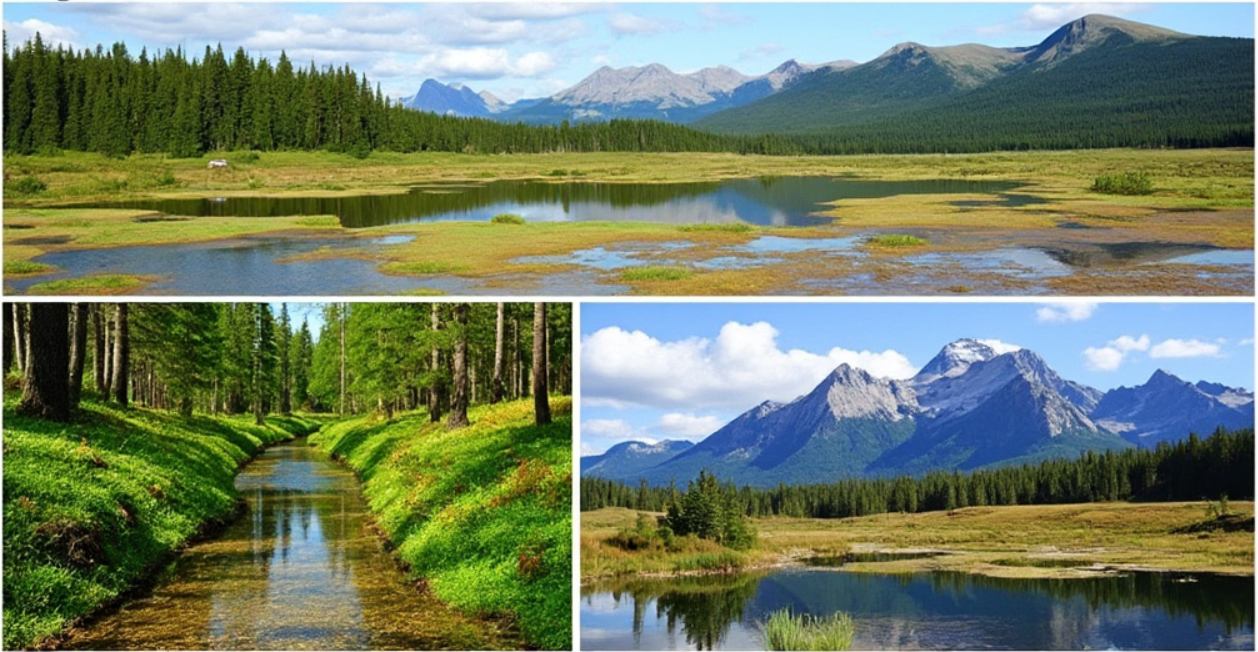
The Forest Fortress
- Canada’s Tree Count: With an estimated 594.7 billion trees, Canada’s boreal forests form one of the world’s largest terrestrial carbon reserves.
- Carbon Absorption: Each of these trees plays a role in the global carbon cycle, absorbing significant amounts of carbon dioxide. Given that the average tree in Canada can sequester about 25 kilograms of CO2 per year, the collective force of this arboreal army is staggering.
The Numbers Speak for Themselves:
- CO2 Absorption: With 594.7 billion trees absorbing approximately 14.87 gigatonnes of CO2 annually, Canada’s forests are a formidable carbon sink.
- National Emissions: Canada emits roughly 559 megatonnes (0.559 gigatonnes) of CO2 equivalent each year.
- The Net Effect: When comparing these figures, Canada’s trees are absorbing carbon dioxide at a rate 26.6 times higher than the country’s total greenhouse gas emissions.
Beyond Trees: Nature’s Overlooked Allies
It’s not just the trees. Canada’s vast landscapes are home to millions of other plants, shrubs, and weeds, each contributing to the ecosystem’s carbon absorption capabilities:
- Biodiversity: This rich tapestry of vegetation, from the vast prairies to the tundra, adds to the carbon sequestration beyond the forests.
- Wetlands and Mosses: Peatlands, mosses, and other wetland plants also store significant amounts of carbon, sometimes for thousands of years.
A Natural Carbon Offset Machine
- Permanent Carbon Storage: Although trees release carbon when they die, much of this carbon is reabsorbed through regrowth or decomposition into soils, which can store carbon for centuries.
- Resilience: Even considering natural disturbances like wildfires, the overall carbon balance leans heavily towards sequestration, especially given the rapid regrowth in many Canadian forest areas.
Canada’s Carbon Neutrality
- Environmental Reality: Canada’s natural systems provide an environmental service that dwarfs its industrial emissions. This natural carbon cycle not only mitigates but wholly offsets the nation’s carbon footprint, making Canada not just carbon neutral but a net reducer of atmospheric CO2.
- Global Impact: This massive carbon sink contributes significantly to global climate stability, providing a buffer against climate change’s impacts far beyond Canada’s borders.
The Overlooked Truth
Despite criticisms and calls for drastic policy changes like oil production limits, the raw data and natural processes suggest that Canada, through its sheer ecological capacity, is at the forefront of carbon neutrality. The focus on reducing emissions, while necessary, often shadows the profound role that Canada’s natural landscapes play in global carbon dynamics.
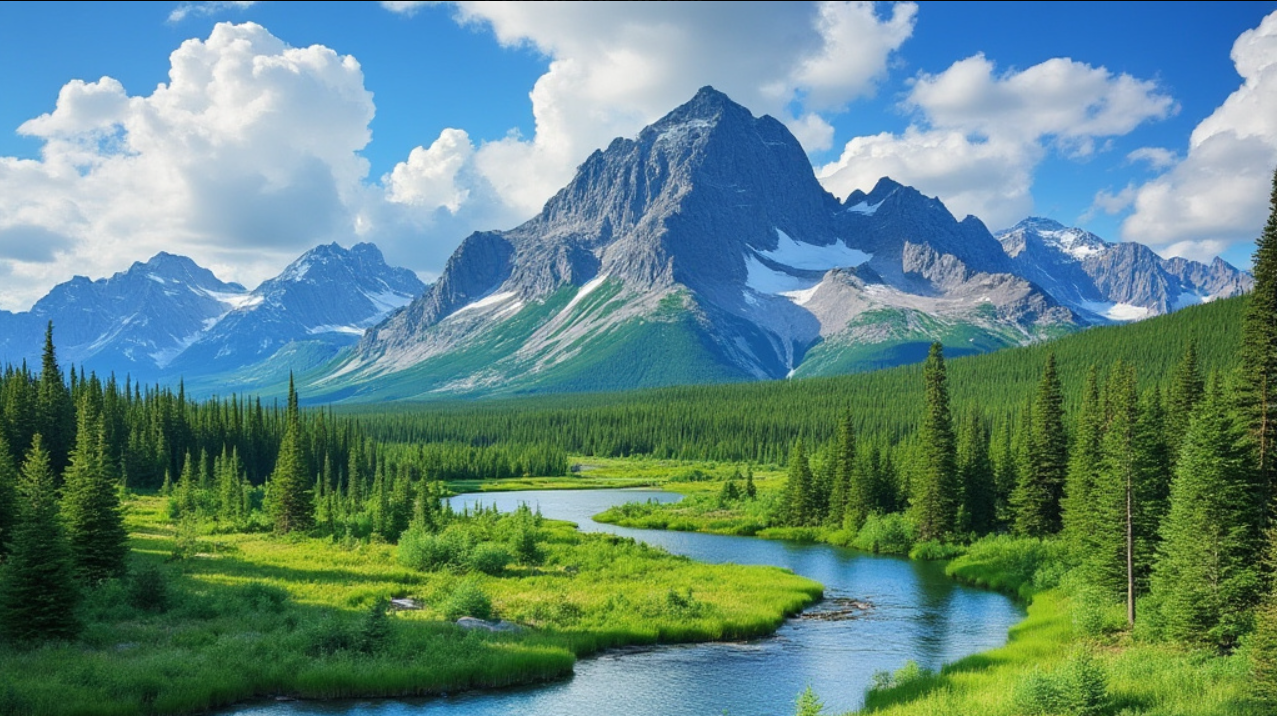
A Call for Recognition
It’s time to recognize Canada not just for its emissions but for its unparalleled natural carbon absorption capabilities. This acknowledgment should shape not only domestic policy but also influence international climate strategies, recognizing natural solutions alongside technological and policy-driven efforts.
Canada stands as a testament to the power of nature in the fight against climate change—a country where the wild, untamed landscapes silently combat the carbon we emit. Let’s celebrate and protect this natural ally in our journey towards a sustainable future.

 marksdeepthoughts.ca
Leave a comment