

Introduction:
Welcome to the story we never hear — the inconvenient truth about polio, a disease that was supposedly “eradicated” by vaccines but hides a history full of deception, misdiagnosis, and downright manipulation. For years, we’ve been fed the narrative that polio was this monstrous virus we beat with modern science, but what if I told you that sanitation, hygiene, and immune resilience were the real heroes? And that shifting diagnostic criteria conveniently “eradicated” polio by simply moving the goalposts? This story isn’t new; it echoes the same rhetoric we heard during the COVID-19 pandemic — sell the vaccine, bury the truth.
Section 1: The Story We Were Told vs. The Reality
Let’s roll back to the 1950s, a time when people were terrified of polio. We were told that polio was a highly infectious disease, wreaking havoc on the bodies of children and adults alike. The answer? Vaccines, of course. Polio was presented as this deadly virus that required immediate vaccination, just like what we’ve seen with COVID-19. It sounds familiar, doesn’t it? A scare campaign followed by a miraculous vaccine rollout.
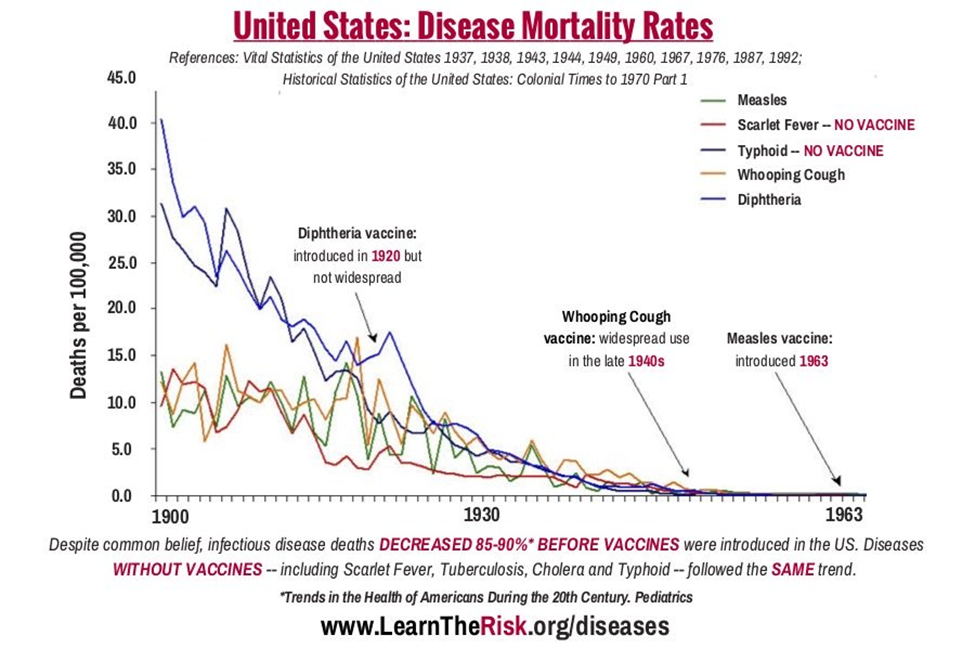
But let’s question the fundamentals: Was polio truly eradicated by vaccines? Or was it because better sanitation made it almost impossible for the virus to do damage in the first place? Studies show that infectious disease deaths had already declined by nearly 90% before vaccines were even introduced. Much of the decline was thanks to the 20th century’s advancements in public health — clean water, proper sewage systems, and improved hygiene — not vaccines(PolioFacts).
Section 2: The DDT Disaster

Ah yes, DDT — the “miracle” pesticide of the 1940s and 50s that we were told would keep us safe from disease-carrying mosquitoes. It was sprayed everywhere: on crops, in public parks, even directly onto children. People were told it was practically harmless to humans. But what they didn’t tell you was that DDT was slowly poisoning us. And here’s the kicker: there’s evidence that DDT, not the poliovirus, was responsible for many cases of paralysis attributed to polio.
The rise of “polio cases” correlated suspiciously with the widespread use of DDT. Studies have shown that DDT and other toxic pesticides can cause nervous system damage and paralysis that mimics polio. Yet, instead of addressing the obvious, health officials doubled down on the narrative that polio was the villain and that vaccines were the heroes.
The public was misled into thinking the vaccine was the only way out, while the real culprit was being sprayed onto them like a summer breeze. DDT wasn’t just ineffective at eradicating polio—it was exacerbating the problem. And when the cases of paralysis began to drop, guess what? DDT usage had also been scaled back. Coincidence? I think not(PolioFacts).
Section 3: Moving the Goalposts – The 1954 Diagnostic Shift

Here’s where things get even more interesting. In 1954, the official definition of what constituted a “polio case” was changed. Previously, if you had paralysis lasting 24 hours, you were diagnosed with polio. But suddenly, the criteria were tightened. Now, symptoms had to persist for 50-70 days to qualify as a polio diagnosis. What happened to all the people who would have been diagnosed under the old definition? Their cases were simply reclassified as something else. By shifting the diagnostic goalposts, the number of “polio” cases dropped dramatically overnight.
Let’s be real—this wasn’t an eradication of the disease; it was a rebranding campaign. The public was led to believe that the vaccine had miraculously saved them, but in reality, polio was now hiding under different names like Guillain-Barré Syndrome or Acute Flaccid Paralysis. They didn’t solve the problem; they just gave it a different label(PolioFacts).
Section 4: The Role of Sanitation and Immune Health
Now let’s talk about the real reason diseases like polio and other infectious diseases declined: sanitation. The introduction of clean water systems, proper sewage disposal, and a basic understanding of hygiene did more to curb infectious diseases than any vaccine ever could.
In the early 20th century, major urban centers were plagued by diseases like tuberculosis, typhoid, and cholera — not because of a lack of vaccines but because people lived in unsanitary, overcrowded conditions. As water treatment plants, sanitation systems, and public health education improved, these diseases began to disappear. Polio followed the same trajectory.
What we’re not told is that many people carry the polio virus without any symptoms at all. The virus only becomes a problem when the immune system is compromised — which is more likely in unsanitary conditions. Improved sanitation, better nutrition, and a stronger immune system were the real reasons polio and other diseases became less prevalent. Vaccines were just along for the ride(PolioFacts).
Section 5: The Parallels to COVID-19
Fast forward to today, and doesn’t this all sound eerily familiar? The fear campaign, the rushed vaccine rollout, the assurances that vaccines are the only solution? The parallels between how polio and COVID-19 were handled are uncanny. Just like in the 1950s, we were told that COVID-19 was this unprecedented threat to humanity and that vaccines were our only hope.
Yet, we now know that compromised immune systems played a significant role in determining who got seriously ill from COVID. Just as it was with polio, it wasn’t just the virus itself that was the issue but the general health and immune resilience of the population. We were sold a one-size-fits-all solution — a vaccine — when the reality is far more complex(PolioFacts).
Section 6: The Convenient Eradication Myth
When polio cases dropped dramatically in the 1960s, it wasn’t because the vaccine “eradicated” the virus. It was because of changes in how the disease was diagnosed, improvements in sanitation, and the fact that many people had already developed immunity. But the vaccine industry needed a win, and polio became the poster child for vaccine success.
Charts showing the decline of polio cases will show a drop-off starting well before the vaccine was widely administered. This wasn’t a triumph of modern medicine; it was a combination of cleaner living conditions and a shifting narrative that conveniently left out the real reasons for the disease’s decline(PolioFacts).
Conclusion: A Cautionary Tale
So what can we learn from the history of polio? First, that the stories we’re told about disease eradication are often oversimplified and manipulated to fit a particular narrative — a narrative that conveniently leaves out the role of sanitation, immune health, and the reclassification of disease. Second, that vaccines are not the sole heroes of public health that we’ve been led to believe.
Polio didn’t disappear because of a vaccine; it disappeared because we stopped poisoning ourselves with DDT, improved our living conditions, and quietly changed the diagnostic criteria. The next time we’re sold a miracle cure, whether it’s for a pandemic or something else, let’s not forget the lessons of the past. As they say, those who don’t learn from history are doomed to repeat it.
Final Note: Later, we can include powerful images and charts that illustrate the decline of polio since the early 1900s. These visual aids will drive home the point: sanitation improvements and immune system resilience were the real factors that led to the dramatic decline in polio cases — not vaccines.
Section 7: The Real Heroes – Plumbers, Not Vaccines
As we’ve seen, sanitation is the real unsung hero of public health victories, yet we give all the credit to vaccines. It’s plumbers, sanitation workers, and engineers who built the water treatment plants, designed the sewer systems, and brought clean water into our homes. These innovations didn’t make headlines or get the glory, but they saved countless lives. It was not some magic injection that ended the worst of polio, but the availability of clean water and a healthier environment.
Let’s stop pretending that vaccines are the be-all and end-all of disease prevention. The narrative we’ve been sold is incomplete at best, and deliberately misleading at worst. If we truly want to protect public health, we should be investing in cleaner environments, better nutrition, and immune system health—not lining the pockets of pharmaceutical companies.
And think about it, when was the last time you saw a media campaign celebrating the people who maintain our sewage systems or ensure clean drinking water? If vaccines are the shiny new gadgets of health, then sanitation is the tried-and-true method that keeps everything running behind the scenes. Yet, it’s the vaccines that get the multi-billion dollar marketing budgets and public adoration(PolioFacts).
Section 8: Reframing Disease and Responsibility
We’ve all heard the phrase “follow the money.” When it comes to public health, this is a critical lens through which to view the narratives we’re fed. The pharmaceutical industry, as it turns out, spends far more on marketing than on actual research(PolioFacts). Shocking, but not surprising, considering that these companies need to maintain the illusion that they are the only thing standing between us and mass death.
But the truth is, it’s not vaccines that protect us from disease—it’s a combination of factors, many of which have nothing to do with medicine. Clean air, fresh water, nutritious food, and a healthy immune system are the real defenses. Diseases like polio didn’t suddenly become less dangerous because of vaccines; they became less of a threat because we improved the conditions that allowed these diseases to thrive in the first place.
This perspective forces us to confront uncomfortable truths. If clean water, good nutrition, and sanitation are so effective, why aren’t they prioritized globally? Why is the focus always on the next “miracle cure” instead of addressing the environmental factors that truly keep us healthy? It’s because there’s no money to be made from keeping people healthy the natural way. But when you can patent a vaccine and create a lifelong customer, now that’s a business model.
Section 9: The COVID-19 Echo
Now, let’s circle back to COVID-19. The parallels between how polio and COVID-19 were sold to us are striking. Both were accompanied by massive fear campaigns and an overwhelming focus on vaccines as the ultimate solution. But as we’ve learned, the immune system plays a crucial role in determining who gets seriously ill. Just like with polio, it wasn’t just about the virus itself—it was about the health of the population. Those with stronger immune systems were far less likely to experience severe outcomes.
The same misplaced trust we placed in the polio vaccine has been replicated with COVID-19. We were told the vaccine would bring us back to normalcy, yet we saw breakthrough cases, changing narratives, and evolving definitions of what it meant to be “fully vaccinated.” Just like the diagnostic shift that “eradicated” polio on paper, public health messaging around COVID-19 moved the goalposts repeatedly. First, two doses were enough, then we needed boosters. What’s next? The playbook remains the same: scare, sell, and move on(PolioFacts).
Section 10: A Call for Critical Thinking
It’s time to stop accepting the stories we are told at face value. Polio wasn’t eradicated by vaccines; it was managed through better living conditions, shifting diagnostic criteria, and improved public health practices. The COVID-19 vaccine didn’t deliver the magical results we were promised either, yet we continue to trust the same institutions that misled us about polio.
We need to demand transparency from our health authorities. We should ask the hard questions: Why do we put all our eggs in the vaccine basket? Why don’t we hear more about the importance of sanitation, nutrition, and lifestyle in preventing disease? Why are simple, natural solutions downplayed in favor of expensive pharmaceutical interventions?
The answer, of course, is money. The pharmaceutical industry is one of the most profitable sectors in the world. It thrives on creating fear and then selling the solution. But fear isn’t health, and a vaccine isn’t the only answer. Public health needs to be about more than just needles in arms—it needs to be about creating environments where disease can’t thrive.
Final Section: Wrapping It All Up
So, where does this leave us? We can’t rewrite the past, but we can learn from it. The polio narrative has taught us to be wary of quick fixes and miracle solutions. Real health comes from addressing the root causes, not from treating the symptoms with band-aid solutions. We’ve seen this with polio, and we’re seeing it again with COVID-19.
Vaccines may have a place in public health, but they’re not the panacea we’ve been led to believe. We must return to basics: clean water, better sanitation, immune support, and critical thinking. We need to question the narratives we’re told, and not be afraid to push back when things don’t add up.
Because here’s the uncomfortable truth: it wasn’t a miracle vaccine that saved us from polio, and it won’t be a miracle vaccine that saves us from the next big disease. The real miracle is the human body’s ability to heal and protect itself when given the right conditions. And the real tragedy is how often that truth is ignored, buried under layers of fear-mongering and marketing.
Let’s start honouring the real heroes—those who gave us clean water, better nutrition, and healthier environments. And next time someone tries to sell you a miracle cure, ask yourself: what aren’t they telling me this time?
 marksdeepthoughts.ca
Leave a comment