
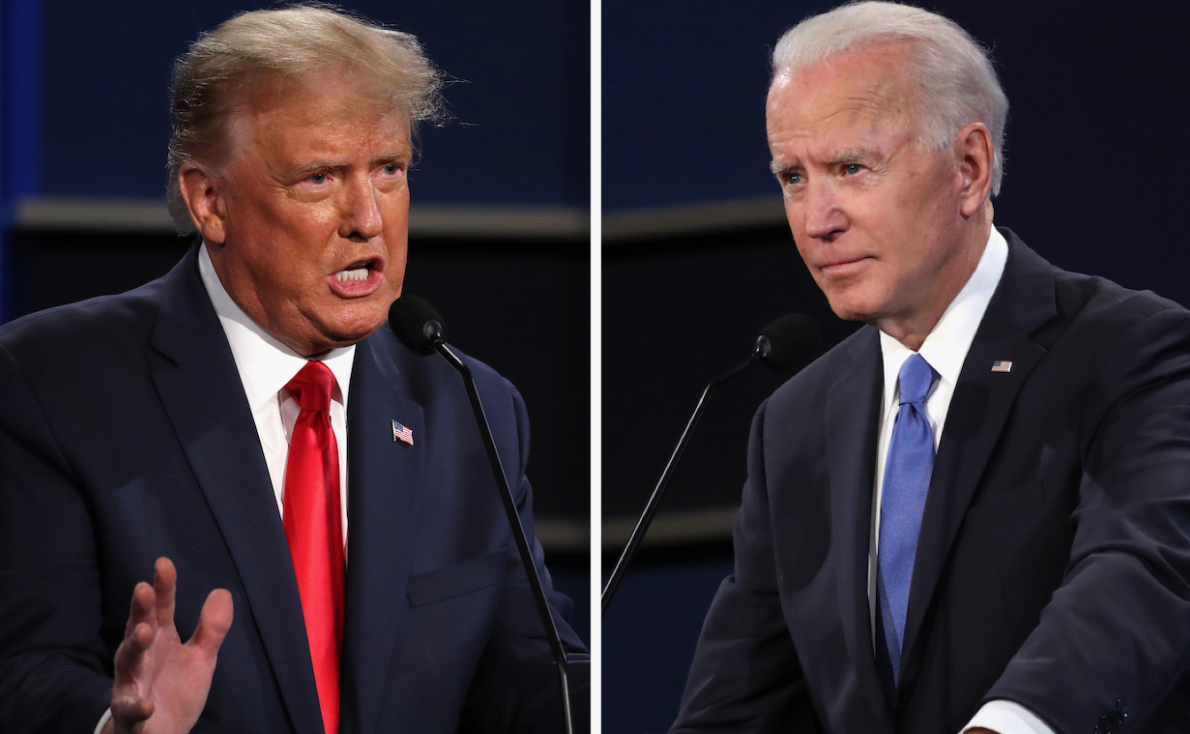
Analyzing the debate transcript between Joe Biden and Donald Trump from a psychological and cognitive perspective involves considering how each individual engages with the questions, maintains focus, and manages their responses under stress. Here’s an analysis based on these factors:
Joe Biden:
- Cognitive Consistency and Clarity: Biden tends to provide structured responses, often referencing his previous or current administration’s actions and plans. He attempts to directly address the questions posed but occasionally meanders into related topics or personal anecdotes, which might reflect normal age-related cognitive changes in associative memory.
- Topic Adherence: While Biden generally tries to stay on topic, he can sometimes diverge slightly, reflecting either a strategic attempt to highlight his achievements or a typical senior moment where the initial thread might get lost in broader explanations.
- Psychological Resilience: Biden shows resilience against the confrontational aspects of the debate. He frequently redirects accusations back to policy discussions, showing an ability to maintain focus on his agenda despite potential psychological stress from direct attacks.
Donald Trump:
- Cognitive Agility: Trump displays cognitive agility in quickly shifting focus and leveraging rhetorical questions or claims to assert dominance in conversation. However, this rapid shifting can sometimes lead to less coherent arguments where the initial question may not be fully addressed.
- Topic Adherence: Trump often uses the questions as jumping-off points for broader commentary, frequently shifting the focus to criticisms of Biden or broader political statements. This tactic might indicate a strategic avoidance of specific policy discussions or a cognitive style favoring broader narrative over detailed analysis.
- Psychological Tactics: Trump employs a confrontational and assertive communication style, which is psychologically aimed at unsettling his opponent and appealing to his base. This approach can be seen as both a strength and a limitation: it energizes his core supporters but may alienate undecided voters who prefer more substantive policy discussions.
Conclusion:
Both candidates exhibit distinct cognitive and psychological strategies in their debate performances. Biden’s approach is more methodical and narrative-driven, reflecting a focus on conveying stability and experience, possibly influenced by normal cognitive aging processes. Trump’s style is more dynamic and confrontational, emphasizing agility and dominance, which can be effective in commanding attention but might sacrifice depth and focus on specific issues.
This analysis indicates different cognitive strengths and strategies, with Biden showing resilience and a focus on narrative consistency, and Trump displaying cognitive agility and psychological assertiveness, albeit with potential costs to coherence and depth in policy discussion.
 marksdeepthoughts.ca
Leave a comment