

Ladies and gentlemen, gather around as we dive into the great pandemic panic of the 21st century. We’ve all been through the ringer, told to stay home, mask up, and stock up on enough toilet paper to build a fortress. But here’s the kicker—those grim COVID-19 fatality stats? They might not be as terrifying as we’ve been led to believe. Buckle up, because this is going to be a wild ride.
Here’s a little something you might not know, and probably because the CDC’s been quieter than a mime at a library about it. They’ve been discreetly publishing data—yes, right under our noses—about how all this pandemic mess has been mucking with our mental gears. Now, I’m no detective, but even I had to squint a bit to see it. This all ties back to what I was jabbing at yesterday: Where’s the deep dive? Where’s the post-pandemic analysis that we, as a people who just lived through a global sneeze fest, rightly deserve?
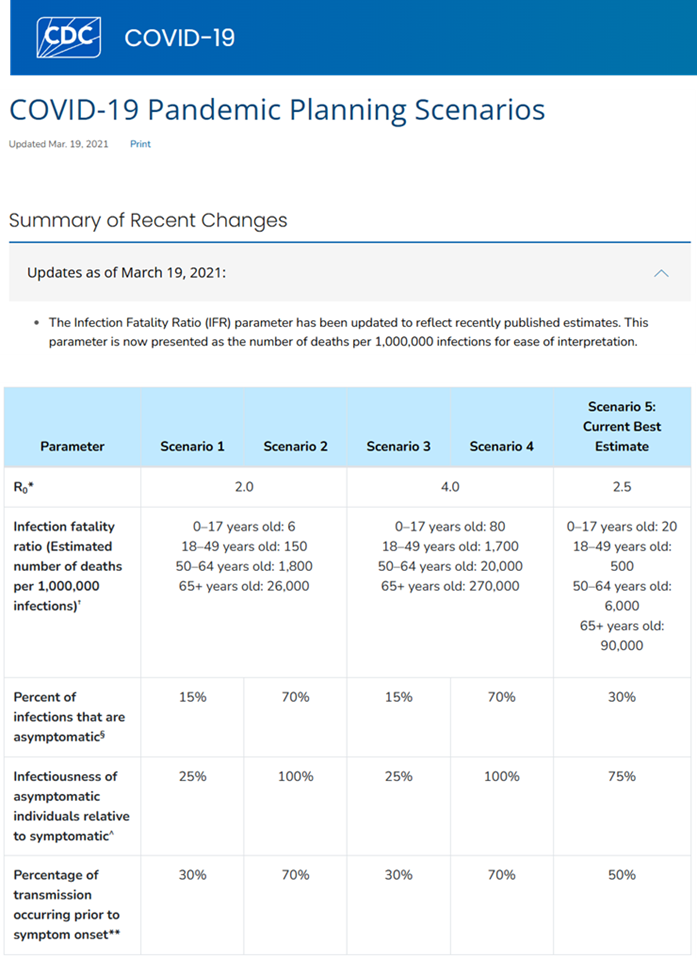
The CDC, our ever-reliable source of public health guidance, has given us the lowdown on the Infection Fatality Ratio (IFR) for COVID-19. Now, let’s compare these numbers to what we’ve seen with other illnesses, like influenza and pneumonia.
COVID-19 by the Numbers:
•0-17 years old: 0.002% chance of death. That’s right, kids. You have a better chance of being struck by lightning while winning the lottery.
•18-49 years old: 0.05%. Still pretty low. You’re more likely to choke on your avocado toast.
•50-64 years old: 0.6%. It starts to get a little serious here, but remember, this is the demographic that’s also dealing with the aftermath of disco.
•65+ years old: 9%. Okay, this is high, but let’s face it, this group has seen a lot more risk in their lifetime—like surviving disco and the era of bell-bottoms.
Now, compare this with the good ol’ seasonal flu, which clocks in with an IFR ranging from about 0.01% to 0.1% overall. And let’s not forget pneumonia, which can get pretty nasty too, especially for our older folks.
Influenza:
•0-17 years old: Less than 0.01%.
•18-49 years old: 0.01%.
•50-64 years old: 0.02-0.1%.
•65+ years old: 0.5-1%.
Pneumonia:
•0-17 years old: Less than 0.01%.
•18-49 years old: 0.01-0.05%.
•50-64 years old: 0.1-0.5%.
•65+ years old: 1-10%.
Do you see a pattern here? Sure, COVID-19’s numbers are higher, particularly for the elderly, but for most of us, it’s not that far off from the flu or pneumonia.
The Great Panic:
So, what gives? Why did we treat COVID-19 like it was the next bubonic plague? Maybe it’s because we live in a world where fear sells. Panic spreads faster than any virus, especially when fueled by 24/7 news cycles and social media echo chambers. Remember, the same networks that brought you wall-to-wall pandemic coverage also air “Shark Week,” even though your odds of being bitten by a shark are one in 3.7 million.
The Reality Check:
Let’s keep it real. COVID-19 is serious, especially for older adults and those with underlying health conditions. But for the majority of the population, the risk of death was significantly lower than the apocalyptic tone might have suggested. It’s essential to balance caution with context, and that context shows us that while COVID-19 is dangerous, it’s not the monster under the bed we feared it might be.
In the end, what we need is a measured response, not mass hysteria. Take precautions, sure. Wash your hands, wear a mask when necessary, and keep your distance. But let’s also keep our perspective. Let’s not allow the fear of COVID-19 to overshadow the reality of living our lives.
So, next time you hear the sirens of panic, remember to check the stats. Because in the game of life, context is king. And folks, that’s the real deal.
 marksdeepthoughts.ca
Leave a comment