
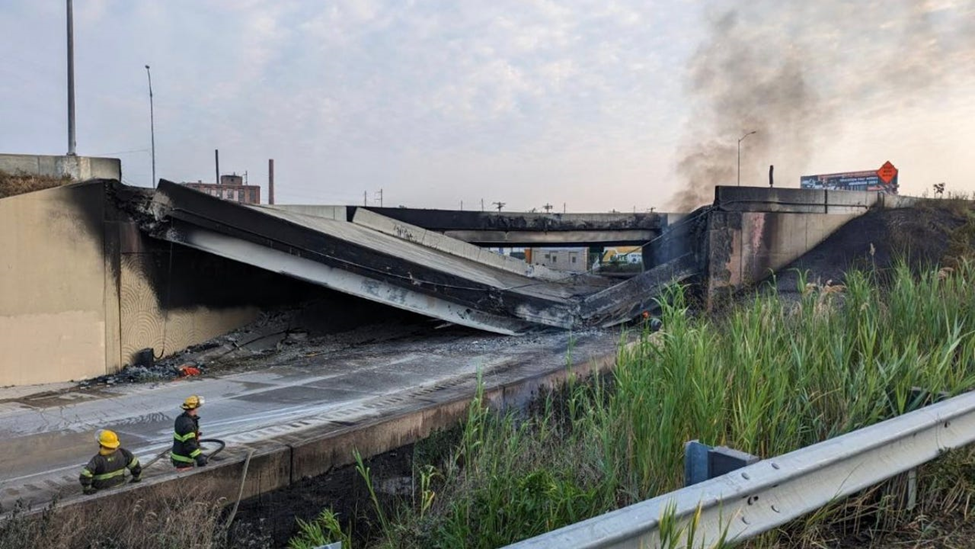
As the world transitions towards a sustainable future, electric vehicles (EVs) have emerged as a key player in this green revolution, promising to replace their fossil fuel-consuming counterparts. However, amidst the applause for their potential in curbing carbon emissions, there appears to be a looming and under-addressed issue related to our existing infrastructure. Although Elon Musk has publicly addressed the dramatic increase in power grid capacity needed to accommodate widespread EV adoption – suggesting we may need to triple our current capabilities – there remains a host of unexplored implications for our built environment. One of these concerns involves the very foundations of our transportation network: our bridges.
In regions like Ontario, Canada, tripling the power grid’s capacity means escalating from a peak of 19,000 plus megawatts to an overwhelming nearly 60,000 megawatts. And yet, the implications of EV adoption extend beyond power grids. Considerations must also be given to our parking structures and, alarmingly, the impact on our vast network of bridges.
For reasons that may range from security to simply avoiding a public panic, specific load-bearing capacities of Canadian bridges are not readily available to the public, akin to a guarded secret sauce recipe. However, recognizing the importance of understanding how these structures can handle the increased weight of electric vehicles, I delved deep into the available data and managed to construct a predictive model. This model helps us visualize the potential impact of EVs on our bridges and offers critical insights into how our infrastructural planning needs to adapt to this imminent wave of change. Let’s explore this in more detail.

The shift towards electric vehicles comes at a pivotal moment for Ontario, a region already struggling with its energy demands. Even now, as summer unfolds, there are concerns regarding Ontario’s capacity to meet the increasing hydro demands. Warnings have already been issued regarding potential shortages as hydro usage soars with rising temperatures, and we haven’t even hit the peak demand period that typically accompanies the height of summer.
The question that naturally arises then, is, if our current infrastructure is already being pushed to its limits, how can we expect it to handle the added strain brought on by widespread EV adoption? The potential tripling of the power grid’s capacity, as suggested by Elon Musk, might appear to be a solution, but the practicalities and logistics of such a mammoth task are daunting.
Furthermore, the strain on the infrastructure isn’t limited to power supply alone. Our physical structures, such as parking lots and notably, our bridges, will also be subjected to increased pressure due to the higher average weight of electric vehicles. The cumulative effect of these challenges underscores the need for comprehensive planning and action to ready our infrastructure for the imminent future of electric mobility. The predictive model I have developed aims to shed light on these critical issues and help guide the necessary adaptations for our infrastructure.
Based on public records and building code data, I was able to determine the following projections. With an increase of an estimated 37% in the load on all bridges in Ontario, Canada would likely have several significant effects:
- Accelerated Structural Wear and Tear: Bridges are designed to withstand certain load capacities, including the weight of vehicles and environmental factors such as wind and snow. A consistent increase in load would cause additional stress on the bridge’s structure, leading to accelerated deterioration, which could reduce the lifespan of the bridge.
- Increased Maintenance and Repair Needs: With the additional load and resultant wear and tear, the maintenance and repair needs of the bridges would likely increase significantly. This would include more frequent inspections to ensure the bridges remain safe, as well as more frequent repairs and reinforcements to handle the additional load.
- Potential Safety Risks: If the load increase exceeds the safety margins for which the bridge was designed, there is a risk of structural failure, which could have serious, even catastrophic, consequences. While this is unlikely due to the safety factors built into the design of bridges, it would be a concern if the load regularly approaches or exceeds the bridge’s rated capacity.
- Revised Load Ratings and Vehicle Restrictions: If the weight of vehicles regularly using the bridge significantly increases, it might be necessary to revise the bridge’s load rating and possibly impose weight restrictions on vehicles. This could affect commercial and freight traffic, as heavy trucks might need to use alternative routes.
- Potential for Traffic Congestion: If weight restrictions or lane closures are put in place to mitigate the additional load, this could lead to increased traffic congestion.
- Planning and Infrastructure Development: The government would need to revisit their infrastructure planning strategies. New bridges would need to be designed to handle the increased loads, and existing bridges might need to be reinforced or replaced earlier than previously planned. This could have significant budgetary implications.

It’s worth noting that bridges are designed with safety factors that allow them to carry more than their rated load safely. However, consistently loading bridges to their safety limits would likely lead to the problems outlined above. In response to such a significant increase in average vehicle weight, a comprehensive review of the province’s bridge infrastructure would likely be necessary to assess the impacts and plan for future needs.
Another consideration we would need to think about is ferries. Ferries that transport vehicles would also be impacted if vehicle and truck weights were to increase by 37%. Here are some of the potential impacts:
Decreased Capacity: The total weight that a ferry can carry is determined by its design and is regulated for safety reasons. An increase in vehicle weight would mean that the ferry could carry fewer vehicles before reaching its maximum load capacity. This could lead to longer wait times for passengers and may require operators to invest in larger ferries or increase the number of trips to accommodate the same number of vehicles.
Loading and Unloading Infrastructure: The loading ramps and docks used by ferries are also designed with a maximum weight capacity in mind. A 37% increase in vehicle weight could strain or exceed the capacity of this infrastructure, potentially requiring costly upgrades.
Increased Fuel Consumption: Heavier loads generally require more power to move, so ferries would consume more fuel to transport the same number of vehicles, leading to higher operating costs and increased environmental impact.
Safety Considerations: Heavier loads can change the ferry’s stability characteristics, affecting its handling and safety. If the weight increase is not uniformly distributed, it could also lead to balance issues. These safety concerns would need to be carefully considered and could require changes in ferry operation procedures.
Maintenance: Heavier loads could lead to increased wear and tear on the ferry itself, potentially shortening its lifespan and requiring more frequent maintenance.
As we explore ways to address climate change and reduce our carbon footprint, it’s crucial to consider all potential impacts of these strategies. A shift toward heavier vehicles, such as electric cars and trucks, although beneficial from a carbon emissions standpoint, could have significant implications for our existing infrastructure. Roads, bridges, raised parking structures, and even ferry services may struggle under the increased weight. This could necessitate substantial investments in infrastructure upgrades, increase maintenance costs, and potentially pose safety issues.
What’s more, while these strategies might reduce emissions, their overall impact on global temperatures could be minimal. For instance, even if Canada were to achieve a 75% reduction in greenhouse gases, the impact on global temperatures might be less than 0.06 degrees Celsius. This prompts us to question the cost-effectiveness of such measures.
Trillions of dollars spent on emissions reduction could arguably be put to better use in poverty alleviation, given evidence that economic development and poverty reduction can lead to lower greenhouse gas emissions in the long run. Some argue that improving people’s standard of living leads to better education, more efficient use of resources, and greater capacity to adopt greener practices.
Some of the proposed solutions, such as carbon sinks, though innovative, can be very expensive. Moreover, they seem to overlook the fact that the planet’s existing four trillion trees could absorb over twice the total greenhouse gases generated by humans. While planting more trees and creating more green spaces are commendable efforts, we must remember that the existing natural world already provides powerful mechanisms to balance our ecosystem.
In the race to combat climate change, it’s essential to balance the enthusiasm for green initiatives with evidence-based approaches. There’s a risk that fear, rather than science, may be driving some of our decisions. We need to ensure that our actions are informed by rigorous scientific research and practical considerations. It’s not about being less ambitious in our goals, but about being more strategic, balanced, and informed in our efforts to achieve a sustainable future.
Over the past decade, efforts to reduce the number of structurally deficient bridges in the United States have shown positive results. However, with the increasing demand for electric vehicles (EVs), new challenges are emerging. As EVs tend to be heavier than conventional vehicles, the capacity of aging bridges to handle this additional weight becomes a pressing concern. This article explores the current state of bridges in the nation, the impact of EV weight increases, and the need for proactive measures to address the growing demand.
In the United States, according to recent data, as of 2019, approximately 7.5% of highway bridges in the United States were classified as structurally deficient, a significant improvement from 12.1% a decade ago. However, there are still around 231,000 bridges across all 50 states that require repair and preservation work. Sadly, the annual rate of reduction of structurally deficient bridges has slowed to just 0.1% in the past two years, while the number of bridges deteriorating from good to fair condition continues to rise.
Addressing the vast number of bridges in need of repair or replacement presents a formidable challenge. At the current rate of improvement, it is estimated that it would take more than 50 years to repair all the deficient bridges, extending the timeline to 2071. Compounding this issue is the fact that 42% of the nation’s 617,084 highway bridges are over 50 years old, with 12% aged 80 years or older. These aging bridges were typically designed for a service life of approximately 50 years, necessitating major rehabilitation or replacement.
With the rise of electric vehicles, which tend to be heavier due to battery weight, bridges face an additional strain. The increased weight of EVs compared to conventional vehicles places greater stress on bridge infrastructure, potentially exceeding their designed capacity. This weight disparity raises concerns about the ability of aging bridges to safely handle the growing traffic load and the need for increased maintenance and rehabilitation efforts.
To ensure public safety, the federal government mandates periodic inspections for all bridges. Deficiencies in structural capacity or other elements can result in load, weight, or speed restrictions, temporary repairs, or even bridge closures. As of 2019, over 10% of bridges had such restrictions, impacting the efficiency of larger vehicles like school buses, ambulances, fire trucks, and delivery trucks. Rural areas may experience delays in emergency response due to posted bridges, which hampers rescue efforts.
While the National Bridge Inventory no longer tracks functionally obsolete bridges, there are still over 94,000 bridges nationwide with inadequate vertical or horizontal clearances and approach roadway geometry. These bridges fail to meet current traffic demands and standards, contributing to congestion and increasing the risk of accidents.
To mitigate the impact of EV weight increases and ensure the long-term sustainability of bridge infrastructure, proactive measures are crucial. These include conducting thorough assessments of bridges to determine their load-carrying capacity, investing in repairs and rehabilitation, and, when necessary, planning for bridge replacement projects. Collaboration between federal, state, and local authorities, along with increased funding for bridge maintenance and upgrades, will be essential in meeting this challenge.
While progress has been made in reducing the number of structurally deficient bridges, the emergence of electric vehicles presents a new challenge to aging bridge infrastructure. To accommodate the increased weight and ensure public safety, concerted efforts are needed to evaluate, repair, and replace bridges across the nation. By addressing these challenges promptly and investing in the long-term preservation of bridges, we can maintain safe and efficient.
In recent years, there has been a concerted effort by all levels of government to prioritize bridge repairs and invest in the nation’s infrastructure. To finance these crucial projects, 37 states have taken steps to increase or reform their gas taxes, providing much-needed funding for bridge maintenance and improvements. While these state investments are commendable, the overall spending on bridges in the country remains insufficient.
According to the most recent Conditions and Performance Report by the Federal Highway Administration, there is an estimated backlog of $125 billion for repairs needed on existing bridges. To improve the condition of bridges, the report suggests increasing spending on bridge rehabilitation from the current annual amount of $14.4 billion to $22.7 billion.
Although state and local governments have demonstrated initiative in funding bridge projects, federal investment in bridges has remained stagnant. The primary funding source for the Highway Trust Fund, which historically finances road and bridge projects, is the federal motor fuels tax. However, this tax has remained at 18.3 cents per gallon since 1993. As a result, the Highway Trust Fund has faced financial challenges and has been on the verge of insolvency for over a decade.

To address these funding challenges and ensure the necessary resources for bridge repairs and improvements, there is a need for increased federal investment. Adequate funding would not only help reduce the backlog of repairs but also support the necessary expansion and modernization of bridge infrastructure to accommodate the weight increases caused by electric vehicles.
While state and local governments have shown commitment by increasing gas taxes and investing in bridge repairs, more comprehensive and sustained funding is required at the federal level. The nation’s bridge infrastructure faces the dual challenges of aging structures and the increasing weight demands posed by electric vehicles. To effectively address these challenges, it is crucial to prioritize bridge rehabilitation and replacement projects, while also securing the necessary funding to support these endeavors. By bolstering federal investments and ensuring the solvency of the Highway Trust Fund, we can enhance the safety, efficiency, and longevity of the country’s bridges, supporting a reliable and sustainable transportation network for the future.
Additionally, it is worth noting that both Canada and the United States have been facing significant challenges in adequately budgeting for infrastructure needs. In Canada, there has been a growing concern about the infrastructure deficit, with an estimated $400 billion deficit in infrastructure investment. Insufficient budget allocation for infrastructure has been a long-standing issue in both countries, and the growing demand and weight requirements posed by electric vehicles (EVs) could potentially exacerbate this problem.
The shift towards EVs and the increasing demand for charging infrastructure and roadways capable of supporting heavier electric vehicles present a potential “rude awakening” for governments. Without adequate budgeting and strategic planning, the infrastructure necessary to support the widespread adoption of EVs may fall behind, leading to bottlenecks, increased congestion, and potentially compromised safety on roads and bridges.
Recognizing the urgency and importance of addressing infrastructure needs, governments at various levels have started to emphasize the significance of infrastructure investment. However, there is still a long way to go in terms of closing the existing budget gap and developing sustainable funding mechanisms to ensure the long-term viability and safety of infrastructure networks.

To tackle these challenges, it will be crucial for governments to prioritize infrastructure funding and establish dedicated funding streams for bridge repairs, rehabilitation, and modernization. This includes exploring innovative financing models, public-private partnerships, and potentially reevaluating existing tax structures to generate the necessary funds.
By recognizing the implications of EVs and the increasing weight demands they bring, governments can take proactive steps to allocate sufficient resources and prioritize infrastructure investment. This will help ensure that the transportation network can effectively support the transition to electric mobility while maintaining safety and efficiency on roads and bridges.
While some bridges in Canada have had plans to expand their capacity by adding lanes or pedestrian passages, there are concerns that these expansions may become challenging without significant rework. This is because some bridges are already operating at or near their maximum capacity, and accommodating the projected increase in vehicle weight, particularly with the introduction of electric vehicles and their heavier batteries, could pose challenges.
Expanding bridge capacity typically requires careful consideration of factors such as structural integrity, load-bearing capabilities, traffic management, and funding. Without proper planning and engineering, attempting to accommodate the increasing weight of vehicles mandated to be on the road by 2030 could strain the existing infrastructure.
Regarding the potential risks associated with aging infrastructure, including bridges, leveled parking, and ferries, it is crucial to prioritize regular inspections, maintenance, and upgrades. Infrastructure management agencies and engineering professionals play a vital role in ensuring the safety and functionality of these systems.
While challenges and risks exist, it’s important to note that infrastructure planning and maintenance are ongoing processes. By addressing the needs of aging infrastructure through proactive measures, such as regular inspections, rehabilitation, and retrofitting, potential disasters can be mitigated. Governments and transportation authorities continually invest in infrastructure improvements to ensure the safety and reliability of critical transportation systems.
Overall, while there are challenges in accommodating increased weight on bridges and maintaining aging infrastructure, proactive measures and proper planning can help mitigate risks and ensure the safety and longevity of these essential components of our transportation network.
In the race to combat climate change, it’s essential to balance the enthusiasm for green initiatives with evidence-based approaches. There’s a risk that fear, rather than science, may be driving some of our decisions. We need to ensure that our actions are informed by rigorous scientific research and practical considerations. It’s not about being less ambitious in our goals, but about being more strategic, balanced, and informed in our efforts to achieve a sustainable future.


 marksdeepthoughts.ca
Leave a comment