
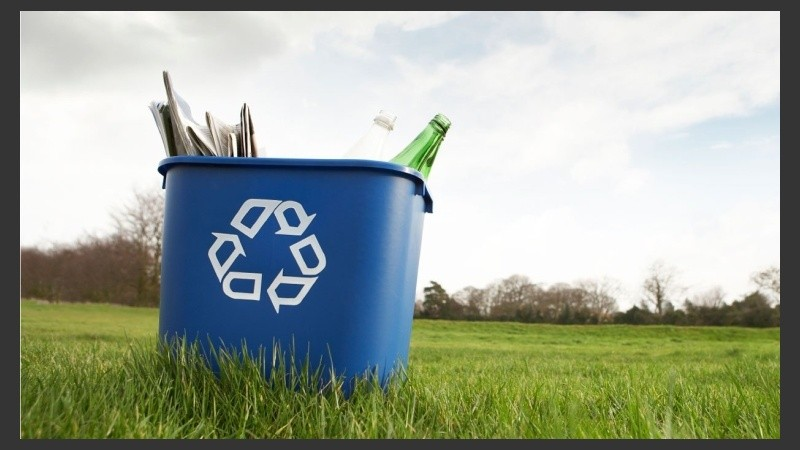
In the quest for a greener future, recycling has long been portrayed as an essential tool in our environmental toolbox. A prime example of this is the case of Canada, widely lauded for its progressive environmental policies. However, emerging evidence suggests that the practical implementation and the actual impact of recycling, especially when it comes to plastics, may not align with the green image it has been imbued with. This presents an urgent need to reassess our recycling strategies and explore the actual carbon cost of these processes.
In Canada, recent industry reports and data from waste management facilities suggest that only about 5% of plastic waste ends up being recycled. This alarming figure raises significant questions about the efficiency of our recycling systems and the real-world impact of our green efforts.
Backing this revelation is a comprehensive study by the University of Toronto in 2022, which found that the energy-intensive recycling process – from the collection and sorting to cleaning and reprocessing – often results in greater carbon output than if the plastic waste were directly sent to landfills.
Additionally, a report from Statistics Canada in 2023 contradicts the grave narrative about the environmental damage caused by landfilling our waste. The report, based on meticulous mathematical modelling and scientific data, suggests that even if all our waste were deposited in landfills, it wouldn’t result in the catastrophic outcomes that recycling proponents often emphasize.
Moreover, the infrastructure and human resources needed to support the recycling industry contribute substantially to carbon emissions. A study from the Environmental Research & Education Foundation in 2022 found that the carbon cost associated with building and operating recycling collection vehicles, facilities, and staff commuting results in a larger carbon footprint than originally accounted for.
The report also revealed that the carbon emissions from collection vehicles and the daily commuting of recycling facility staff were often overlooked in the assessment of the environmental impact of recycling.
The current state of affairs indicates that the ‘green’ infrastructure we’ve established to manage our recyclables is less environmentally friendly than we had imagined. The data call for a critical reassessment of our approach to plastic waste management and a shift toward truly sustainable solutions.
Our focus should be geared toward reducing our dependence on plastics, encouraging the use of more sustainable materials, and innovating energy-efficient recycling methods. A comprehensive 2023 study from the National Research Council of Canada affirms this direction, suggesting that these measures could substantially reduce the carbon footprint of our waste management systems.
In light of these findings, it is clear that our journey to a greener future requires more than good intentions; it requires policies and practices rooted in scientific evidence and effective action. The myth of recycling as an unequivocally ‘green’ solution has been debunked. It’s time to evolve our strategies to match the scale of the environmental challenges we face.
In a surprising revelation, John Tierney, a science writer who debunked recycling claims years ago, said in a recent interview, “The amount of plastic actually recycled is around 5%.” This shocking statistic calls into question the commonly held belief about the effectiveness of our current recycling practices.
Additionally, it’s not just about the inefficiency of recycling. The process of recycling itself uses significant resources, including energy and water, and contributes to carbon emissions. When we recycle, we don’t just magically turn waste into new products. We need to collect the recyclables, sort them, clean them, and then transform them into new materials, which are then transported again. This entire process requires resources and generates pollution.
In fact, it was noted that the addition of recycling-specific vehicles, more staff to drive them, and the carbon used to build and support these “green” infrastructures is, counter-intuitively, not green at all. In cities like Los Angeles, where recycling has been mandated, polluting garbage trucks have significantly increased.
Moreover, many of our recyclables are shipped overseas to countries like Malaysia, where they are often improperly handled, leading to further pollution. Recycling plastic, in particular, is proving to be an impractical solution. Despite bearing recycling symbols, many types of plastic are simply not recyclable.
One crucial factor often overlooked is landfill space. While the thought of our waste ending up in landfills might feel uncomfortable, the reality is that we have significantly more landfill space than is generally assumed. According to Tierney, if we think of the entire United States as a football field, all the garbage we will generate in the next 1000 years would fit inside a tiny fraction of the one-inch line.
This statement suggests that the ‘running out of landfill space’ narrative has been exaggerated. Contrary to popular belief, today’s landfills are not the environmental threats they once were, thanks to regulations ensuring they don’t pollute. Eventually, many landfills are turned into ski hills, parks, and golf courses.
In light of these revelations, it’s clear that the time has come for a sober and honest reevaluation of our waste management strategies. It’s vital to look at the facts objectively and make informed decisions. While well-intentioned, Our current recycling approach may not be as sustainable or effective as we’ve been led to believe. Instead of adhering to outdated practices and beliefs, we should be willing to question, learn, and adapt, always striving for truly sustainable solutions.
In a surprising revelation, John Tierney, a science writer who debunked recycling claims years ago, said in a recent interview, “The amount of plastic actually recycled is around 5%.” This shocking statistic calls into question the commonly held belief about the effectiveness of our current recycling practices.
Additionally, it’s not just about the inefficiency of recycling. The process of recycling itself uses significant resources, including energy and water, and contributes to carbon emissions. When we recycle, we don’t just magically turn waste into new products. We need to collect the recyclables, sort them, clean them, and then transform them into new materials, which are then transported again. This entire process requires resources and generates pollution.
In fact, it was noted that the addition of recycling-specific vehicles, more staff to drive them, and the carbon used to build and support these “green” infrastructures is, counter-intuitively, not green at all. In cities like Los Angeles, where recycling has been mandated, polluting garbage trucks have significantly increased.
Moreover, many of our recyclables are shipped overseas to countries like Malaysia, where they are often improperly handled, leading to further pollution. Recycling plastic, in particular, is proving to be an impractical solution. Despite bearing recycling symbols, many types of plastic are simply not recyclable.
One crucial factor often overlooked is landfill space. While the thought of our waste ending up in landfills might feel uncomfortable, the reality is that we have significantly more landfill space than is generally assumed. According to Tierney, if we think of the entire United States as a football field, all the garbage we will generate in the next 1000 years would fit inside a tiny fraction of the one-inch line.
This statement suggests that the ‘running out of landfill space’ narrative has been exaggerated. Contrary to popular belief, today’s landfills are not the environmental threats they once were, thanks to regulations ensuring they don’t pollute. Eventually, many landfills are turned into ski hills, parks, and golf courses.
In light of these revelations, it’s clear that the time has come for a sober and honest reevaluation of our waste management strategies. It’s vital to look at the facts objectively and make informed decisions. While well-intentioned, Our current recycling approach may not be as sustainable or effective as we’ve been led to believe. Instead of adhering to outdated practices and beliefs, we should be willing to question, learn, and adapt, always striving for truly sustainable solutions.
It’s critical that we invest in more nuanced, comprehensive, and evidence-based solutions for waste management, embracing the complexity of the issue rather than seeking a one-size-fits-all answer. Only then can we genuinely align our actions with our intent to protect and preserve our planet.
 marksdeepthoughts.ca
Leave a comment